Scientific publications on GHG emission factors for nutrient-rich organic soils have undergone scientific peer review and verification and have been published in Biogeosciences — a high-quality, peer-reviewed, open-access journal of the European Geosciences Union (Q1, IF ≈ 4.0).
LIFE OrgBalt is proud that the publication “Organic soils can be CO₂ sinks in both drained and undrained hemiboreal peatland forests” has been selected as a Highlight article by the journal, recognising its particular scientific significance.
The LIFE OrgBalt project has successfully concluded: “Demonstrating the Climate Change Mitigation Potential of Nutrient-Rich Organic Soils in the Baltic States and Finland”
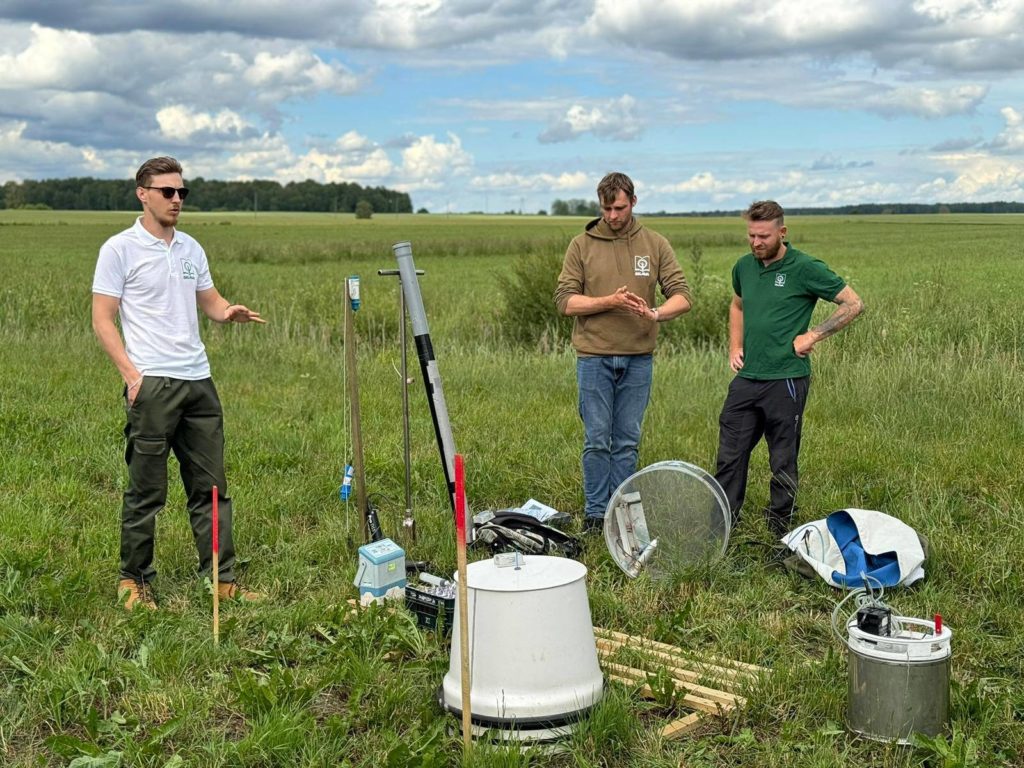
For five years, the implementation of LIFE OrgBalt project took place in the Baltic States, Finland and Germany, within the framework of which emission measurements were carried out and the possibilities of reducing climate change in nutrients rich organic soils (existing and former peatlands) were demonstrated.
Organic soils are one of the largest contributors to GHG emissions in the agricultural and forestry sectors in the boreal and temperate cool and humid regions of Europe. Organic soils are found on around 33.6 million ha in the European Union (EU), representing around 7% of the total land area of the EU, and their management is associated with ~25% of agricultural and forestry GHG emissions. In these regions, organic soils are usually previously drained peatlands that need to be treated differently from mineral soils to sustain their carbon accumulation and storage capacity. The general aim of the LIFE OrgBalt was to demonstrate how these territories can be managed in a way that is balanced economically, socially, and environmentally.
The main achievements of the project include:
Development of GHG emission factors[3]: first regional Baltic/Finnish GHG emission factors for managed nutrient-rich organic soils were developed. These emission factors have been submitted for scientific evaluation and further verification so that they can be used in national GHG inventories in the hemiboreal region in Finland and the Baltic States.
Implementation of climate change mitigation (CPM) measures[4]: sustainable and economically sound CCM measures were implemented in 17 demonstration sites in Latvia and Finland. Forestry CCM measures can be divided into two groups: measures related to afforestation and forest conversion and measures aimed at increasing carbon sequestration in the forest. Agricultural CCM measures include changing the type of crops grown, changing the type of land use and measures related to the control of the hydrological regime.
Development of innovative tools: Various innovative tools were developed within the Project, including the simulation model[5] as a support tool in policy planning and decision-making, as well as a functional land management model[6] as a support tool for landowners to estimate the benefits and costs of various CCM measures.
Within the Project, not only research and demonstration activities were carried out but also active knowledge exchange and public awareness[7] was ensured. During the Project, seminars and trainings were organised for farmers and foresters, as well as for policy makers. These events fostered collaboration between various stakeholders, including landowners, farmers, foresters, policy makers and scientists, contributing to an in-depth understanding of the interactions between land management, climate change and economic development.
Overall, the LIFE OrgBalt project has made a significant contribution to the knowledge of management of nutrients rich organic soils and climate change mitigation practices. The project results will help policy makers, landowners and other stakeholders to make informed decisions about sustainable land management.
More information about the project activities and results is available on the LIFE OrgBalt project website: www.orgbalt.eu[8]
Project “Demonstration of climate change mitigation potential of nutrient rich organic soils in Baltic States and Finland” (LIFE OrgBalt, LIFE18 CCM/LV/001158) is implemented with financial support from the LIFE Programme of the European Union and State Regional Development Agency of the Republic of Latvia. www.orgbalt.eu[9]
LIFE OrgBalt compiled the first regional Baltic/Finnish GHG emission factors for managed nutrient-rich organic soils (current and former peatlands), which have been made available for the customary scientific review and further verification for national GHG inventories in the hemiboreal region in Finland and the Baltic countries. While the project analysed selected CCM measures for drained organic soils in agriculture and forestry and developed spatial models and tools, it also identified remaining knowledge gaps. To bridge the remaining limitations and fill the gaps, it is essential to continue GHG measurements and model development, as well as to broaden and complete the scope of the evaluated CCM measures in the after-LIFE-project period, notably by including rewetting and restoration of peatlands that are currently considered to be among the most recommended CCM measures on drained peatlands in the EU. In addition, the developed Simulation and PPC models still include limited macroeconomic considerations and lack an assessment of all environmental impacts. For all these reasons, these models should be used carefully in CCM strategy development for the identification of gaps in climate neutrality transition policy and funding frameworks and need further optimization for broader applicability as decision-making tools.
The information reflects only the LIFE OrgBalt project beneficiaries view and the European Climate, Infrastructure and Environment Executive Agency is not responsible for any use that may be made of the information contained therein.
In total 8 newsletters was prepared during the LIFE OrgBalt project. All previous newsletters are available HERE[12].
The project “Demonstration of climate change mitigation potential of nutrient rich organic soils in Baltic States and Finland” (LIFE OrgBalt, LIFE18 CCM/LV/001158) is implemented with the financial support of the LIFE Programme of the European Union and the State Regional Development Agency of Latvia.
The developed material reflect only the LIFE OrgBalt project beneficiaries’ view and the European Climate, Infrastructure and Environment Executive Agency is not responsible for any use that may be made of the information contained therein.
LIFE OrgBalt final conference’s materials – recordings and presentations
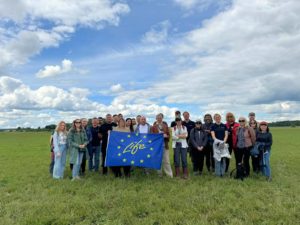
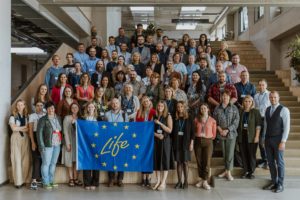
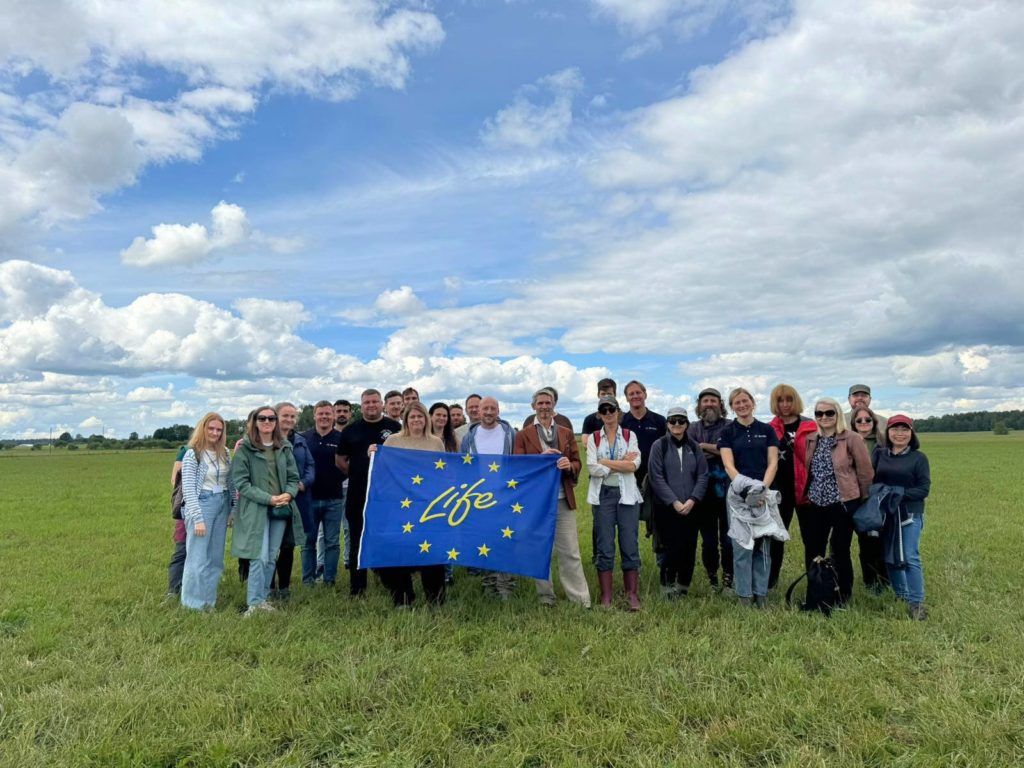
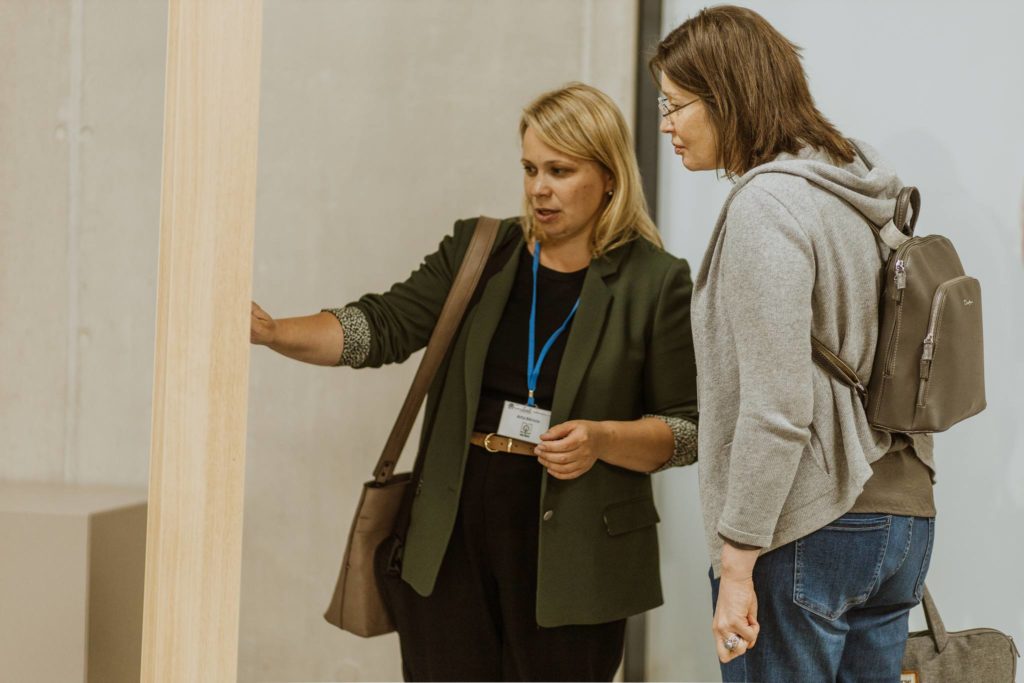
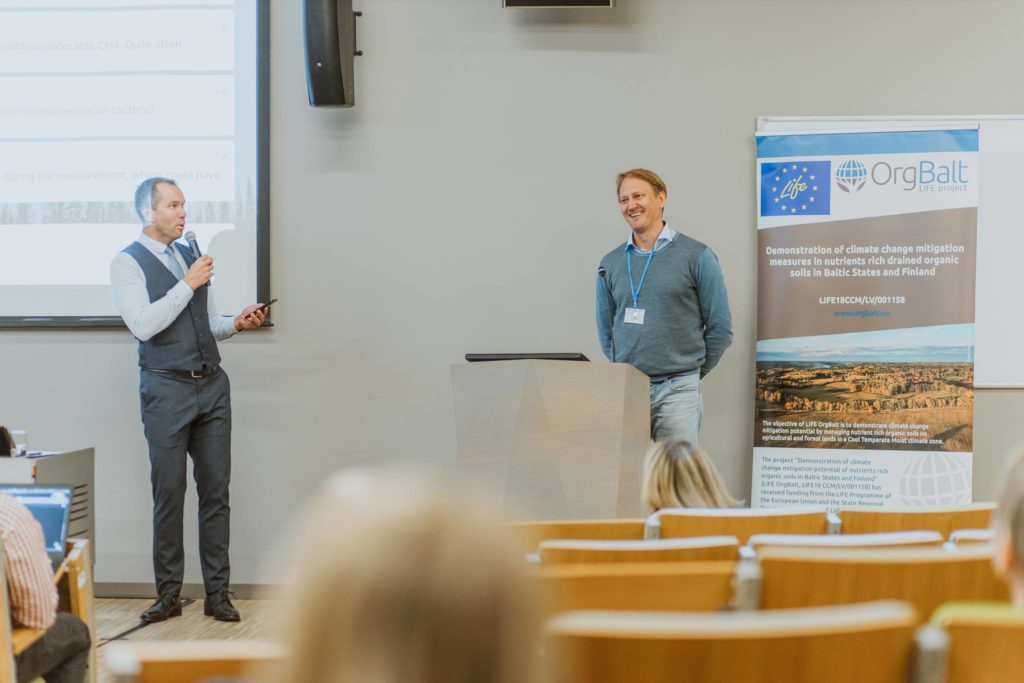
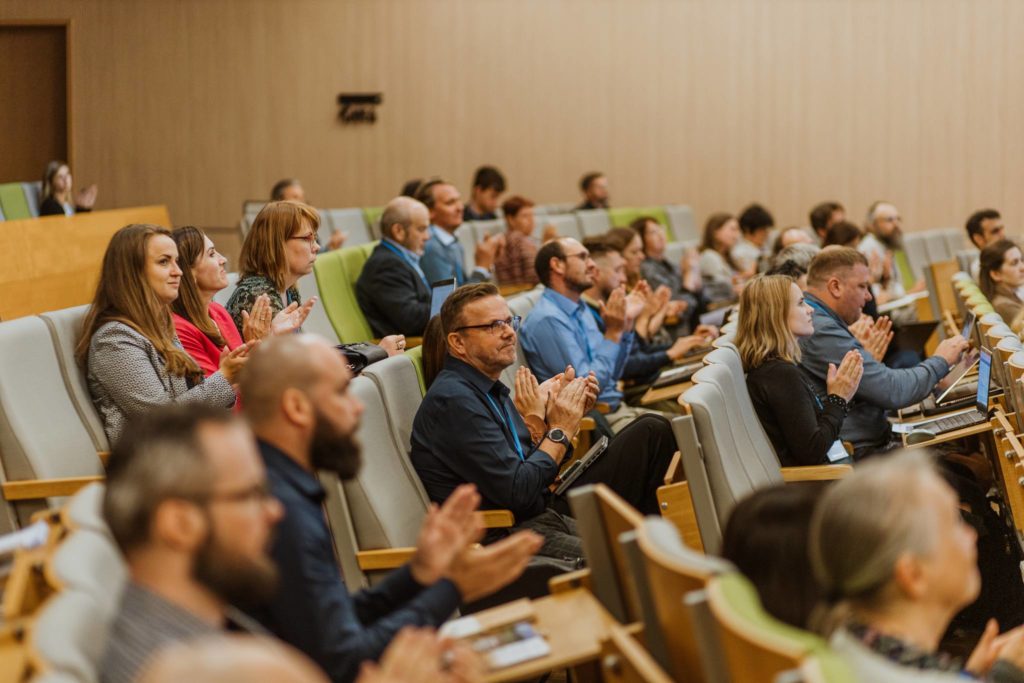
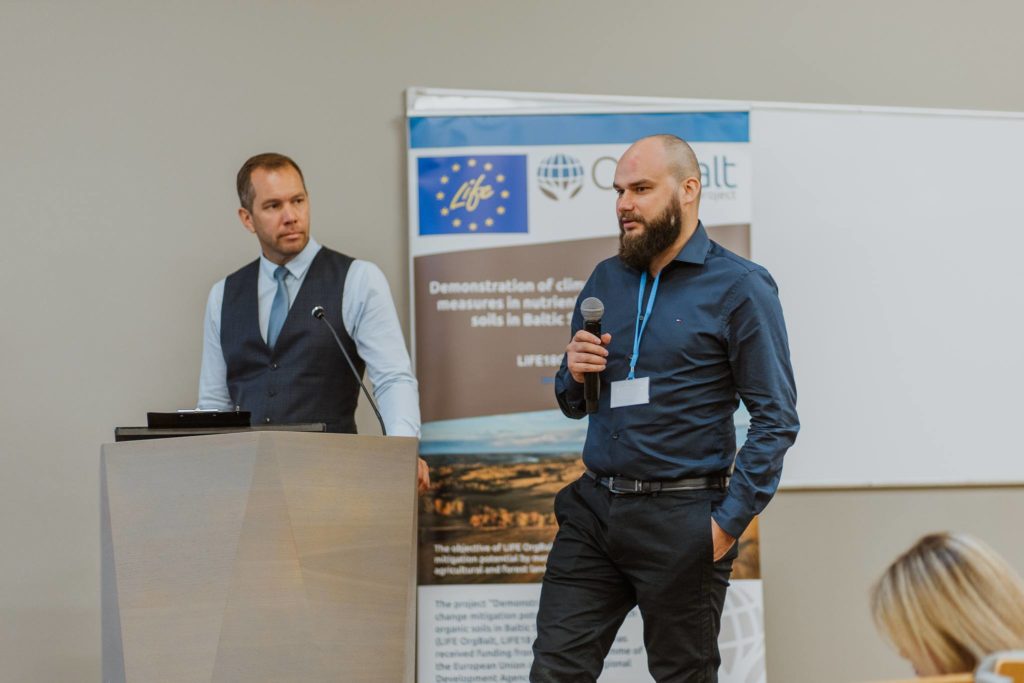
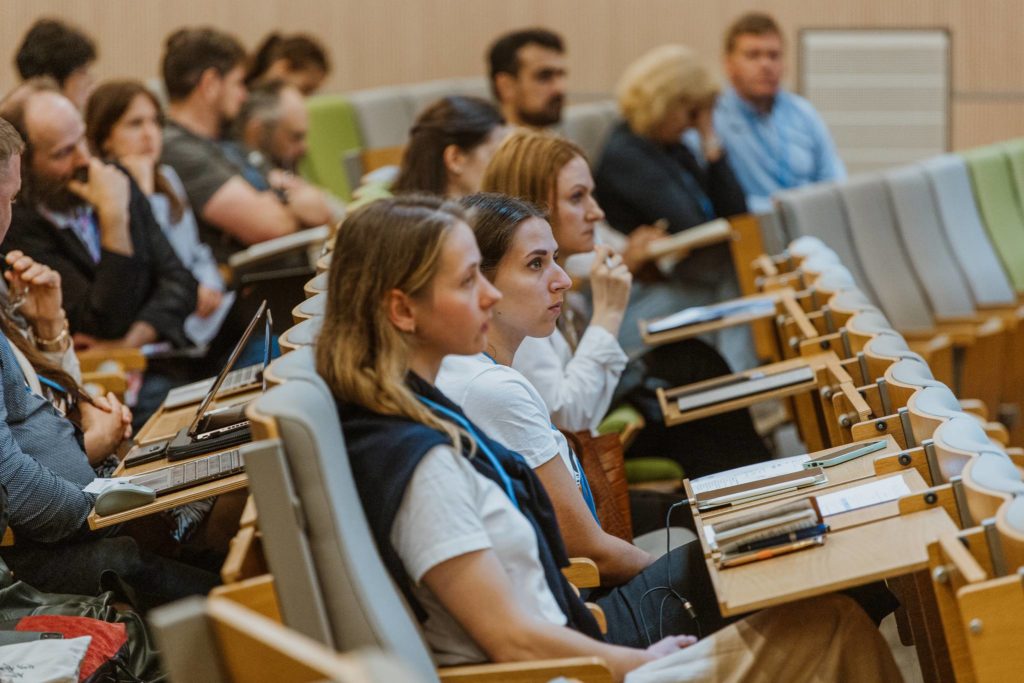
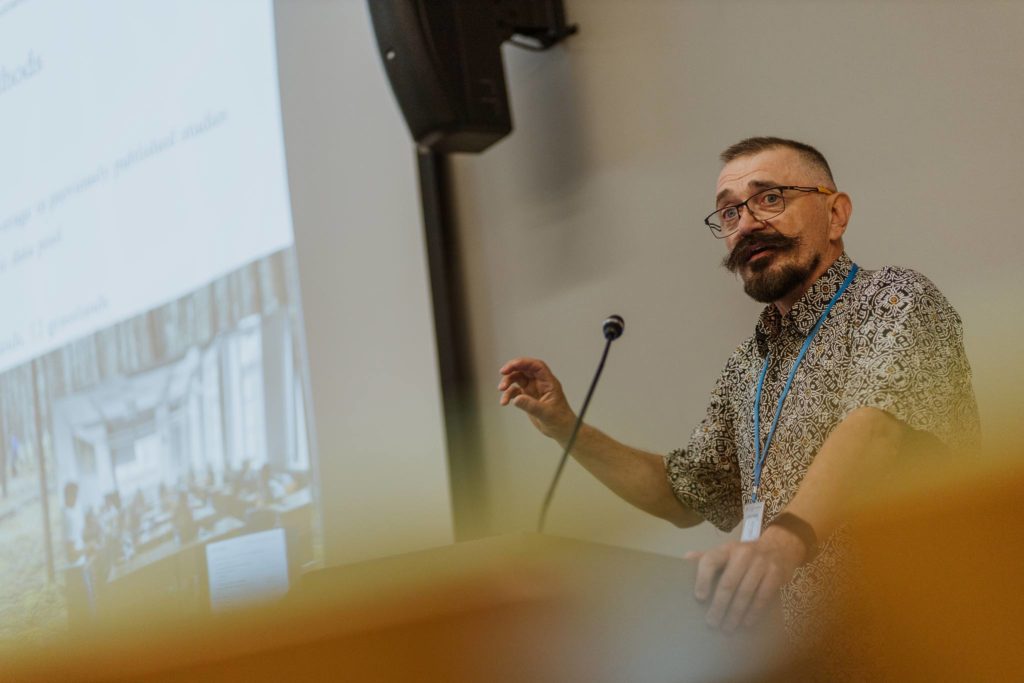
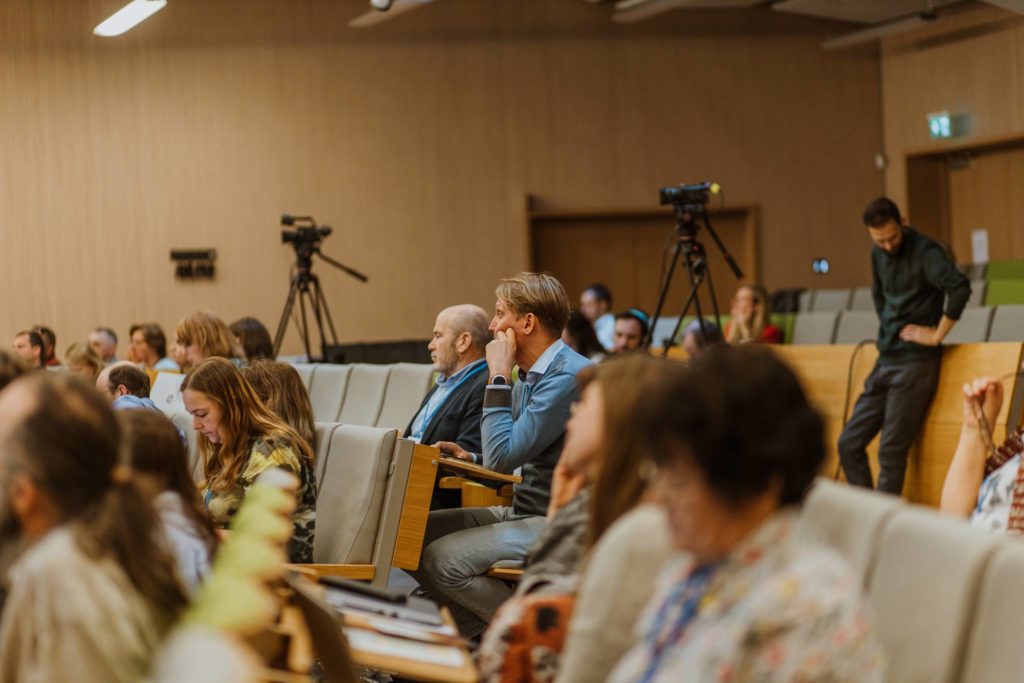
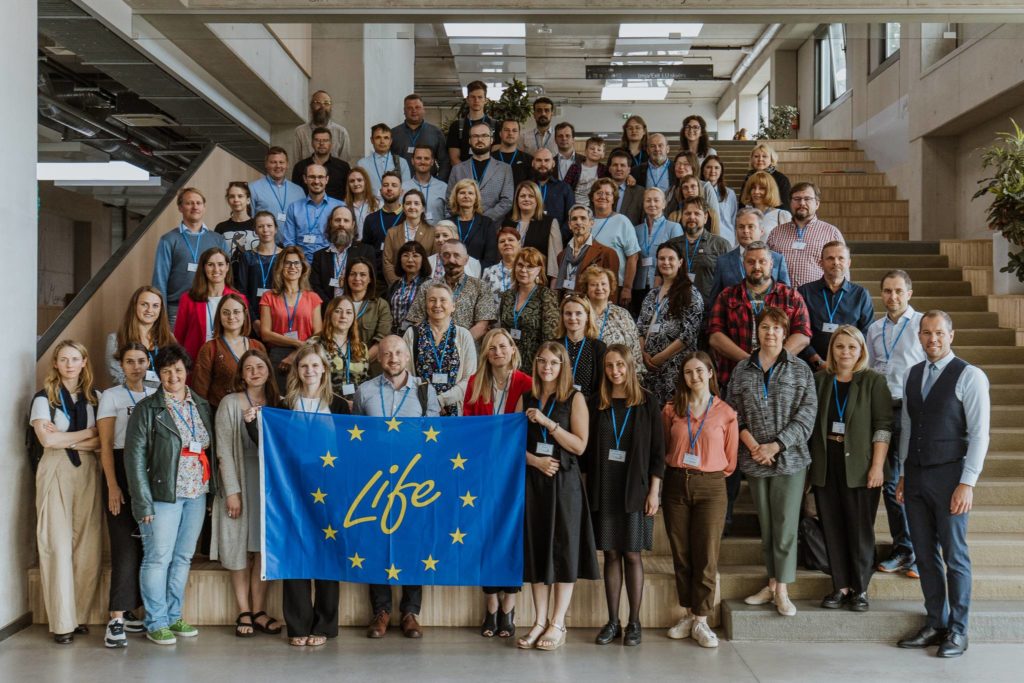
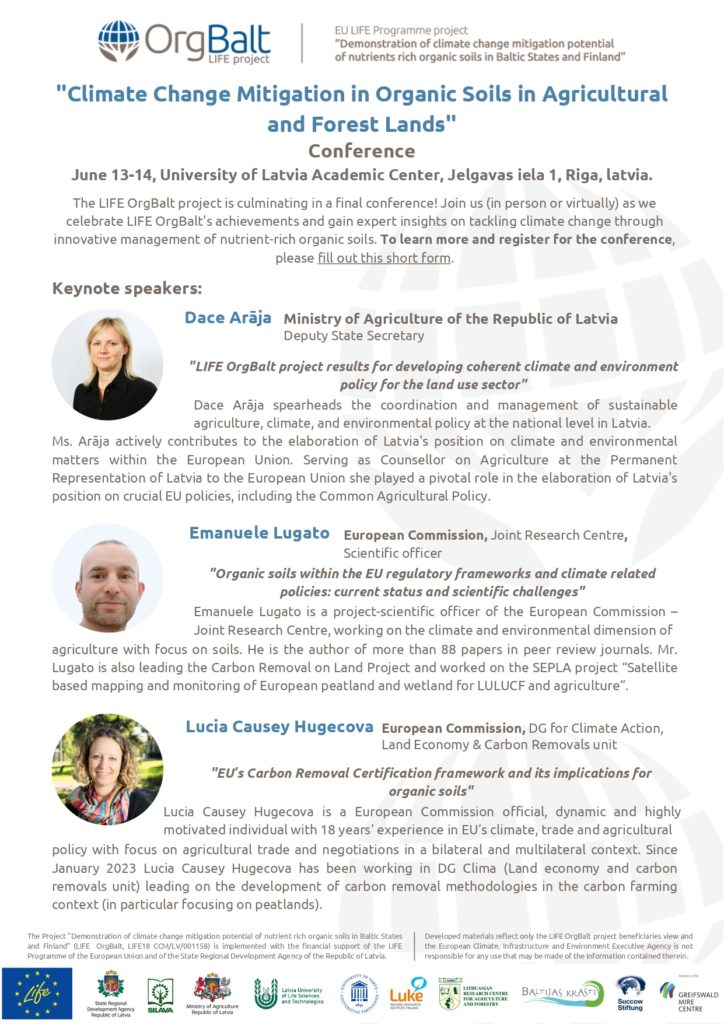
On June 13-14, at the Academic Center of the University of Latvia, 80 climate experts, policymakers, and representatives from the forestry and agriculture sectors of the EU member states met at the international conference of the LIFE OrgBalt[13] project “Climate Change Mitigation in Organic Soils in Agricultural and Forest Lands” and visited the project’s demonstration sites.
Various aspects of nutrient-rich organic soils were discussed at the conference:
Organic soils within the EU regulatory frameworks and climate related policies
LIFE OrgBalt project results for developing coherent climate and environment policy for the land use sector
Distribution of peatlands and organic soils in the Baltic Sea region
Emission factors of CO2 in forest and agriculture lands
Soil CH4 and N2O balance from forest and agriculture lands
Scenarios for reduction of GHG emissions from nutrients-rich organic soils
Projections of GHG emissions from different land uses
Evaluation of the impact of GHG emission reduction measures and their socioeconomic implications, etc.
As emphasized by Emanuele Lugato, scientific project manager of the European Commission’s Joint Research Center, the management of organic soils plays a significant role in the EU’s plans to mitigate climate change.
Thank you to the experts, project’s partners and conference participants!
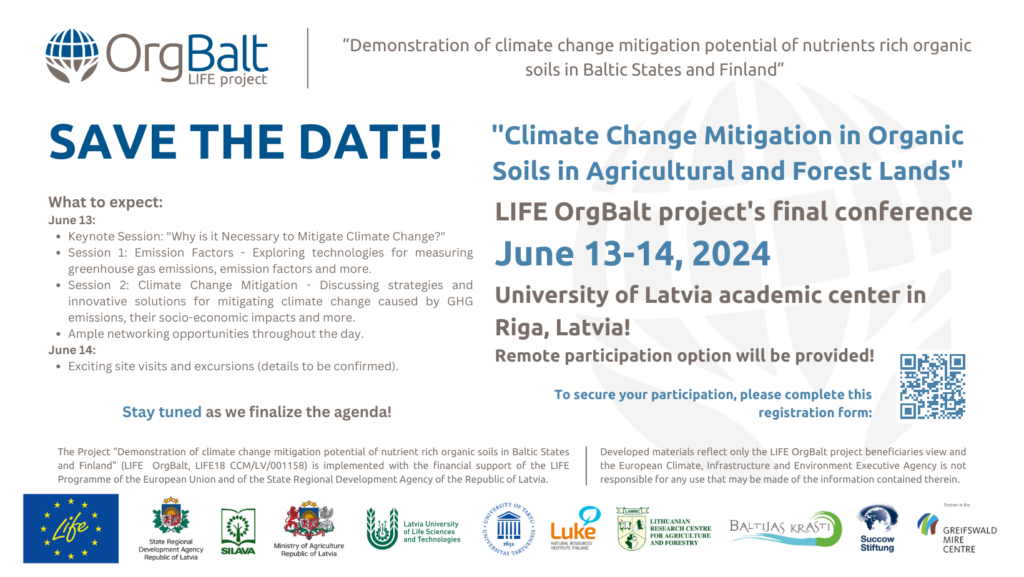
LIFE OrgBalt project’s final conference on June 13-14, 2024
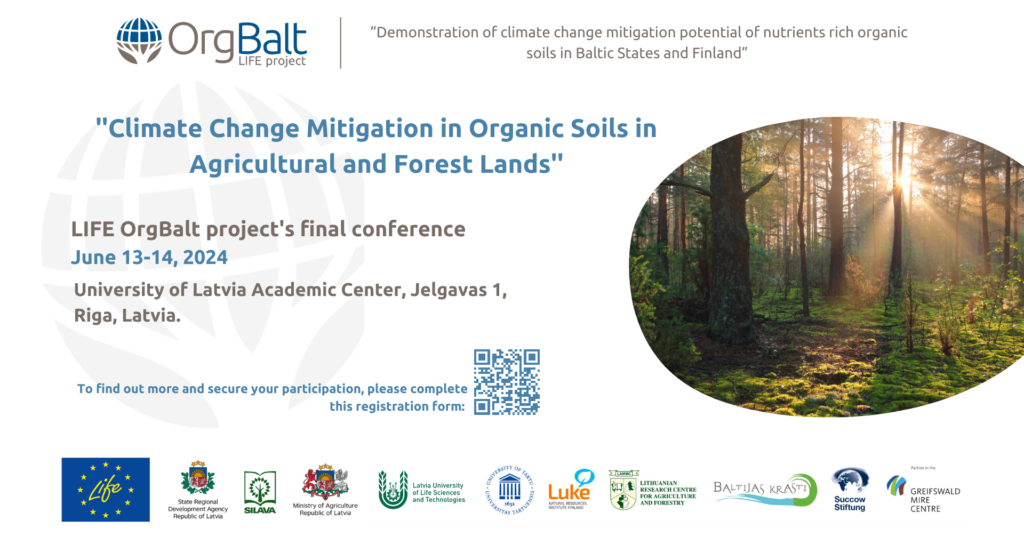
The five-year research project LIFE OrgBalt is coming to an end. To highlight the project’s achievements and share knowledge to address climate change, we invite you to LIFE OrgBalttwo-day international conference: Climate Change Mitigation in Organic Soils in Agricultural and Forest Landson June 13-14, 2024 at the University of Latvia Academic center in Riga, Latviaor join online: HERE.[14]
To secure your participation (online or in-person), please complete this short registration form: https://forms.gle/eEUzFgPdPPDa3E6RA[16] . Working language of the conference – English.
The LIFE OrgBalt project focuses on demonstrating how sustainable management of nutrient-rich organic soils in the Baltic States and Finland can help mitigate climate change. The project is implemented by a consortium of eight partners from five EU Member States: Estonia, Finland, Germany, Latvia, and Lithuania.
In total 8 newsletters will be prepared during the LIFE OrgBalt project. All previous newsletters are available HERE[12].
The project “Demonstration of climate change mitigation potential of nutrient rich organic soils in Baltic States and Finland” (LIFE OrgBalt, LIFE18 CCM/LV/001158) is implemented with the financial support of the LIFE Programme of the European Union and the State Regional Development Agency of Latvia.
The developed material reflect only the LIFE OrgBalt project beneficiaries’ view and the European Climate, Infrastructure and Environment Executive Agency is not responsible for any use that may be made of the information contained therein.
LIFE OrgBalt training and workshop sessions on sustainable management of fertile organic soils
The LIFE OrgBalt project organizing workshops and training sessions across project participant countries – Latvia, Estonia, Lithuania, Finland, and Germany – aimed to train landowners, non-governmental organizations, and policy planners. These sessions are designed to disseminate the research findings and supportive tools developed for the sustainable management of nutrient rich organic soils.
The aim of the training workshops is to transfer the knowledge and support tools developed in the project to the target groups – land owners and managers, farmers’ and foresters’ non-governmental organisations, rural and forestry advisors. The training workshops provide the participants with information and stimulate discussion on the following issues:
Information on the project and its results.
European Union and project Member States’ intentions, policies and regulations regarding sustainable organic soil management and climate change mitigation in the forestry and agriculture sectors.
Climate change mitigation measures implemented in the project.
Tools developed, demonstration and training within the project – Private-Public Cooperation Model and Simulation Tool.
The Private-Public Cooperation Model is one of the tools developed by partner Baltic Coasts to help landowners or managers assess the economic and environmental benefits of different climate change mitigation measures.
The Latvia University of Life Sciences and Technologies (LBTU), a partner in the project, has created a Simulation Tool intended for policy planning and decision-making on regional and national scales. This tool enables the assessment of mitigation measures chosen within the LIFE OrgBalt project, considering their economic, employment, and greenhouse gas emission reduction impacts. Moreover, the model aids in identifying the most effective deployment of these measures.
In addition, training sessions in Latvia incorporate visits to the project’s nature-based demonstration sites – Mežole Forest Research Station and the demonstration plots at the Vecauce Training Farm.
Nine training workshops are scheduled for the LIFE OrgBalt project, with two workshops planned in each member state. Four workshops have already been conducted: on November 23, 2023, in Finland; on April 4, 2024, in Latvia; and on April 8, 2024, in Estonia (training and national workshop). Due to the focus of the model and tools on Baltic soils, only one joint workshop is being held in Germany. This workshop targets consultant organizations and NGOs, facilitating discussions on potential modifications and future implementation of the models.
LIFE OrgBalt national workshops:
Simultaneously, in April and May 2024, the project partner, Ministry of Agriculture of the Republic of Latvia is coordinating national workshops across the project participant countries concerning the management of nutrient-rich organic soils for climate change mitigation. In partner countries national workshops were integrated with training sessions to engage more stakeholders without overwhelming them with numerous separate events, especially considering that many activities in this domain involve specific stakeholders. In Latvia, however, the national workshop was conducted independently. These workshops aim to introduce participants to:
The significance of organic soils within the European Union framework and the influence of policy initiatives on organic soil management.
Insights from international experts in organic soil management, offering perspectives from other countries to aid in the development of similar climate policies for organic soil management.
The national workshops will explore the visions of the project partner countries regarding the planning and integration of various EU policies at the national level. The aim is to harmonize all requirements in a sustainable manner, ensuring that current decisions contribute wisely and effectively to long-term land management goals. Therefore, fostering the exchange of expertise and insights is crucial, and the national workshops are designed to facilitate discussions and gather perspectives from a range of experts.
On April 8th, Estonia hosted a combined national workshop and training session focused on the sustainable management of organic soils, along with a discussion on project outcomes. Meanwhile, on April 10th, Latvia hosted a national workshop addressing climate change mitigation opportunities and challenges within the framework of the EU Green Deal, alongside insights from Germany on restoring the hydrological regime of organic soils. Similar workshops are scheduled throughout April and May in Germany, Lithuania, and Finland.
This is the second round of LIFE OrgBalt national workshops on climate change mitigation measures in nutrient rich organic soils. The initial round of national workshops occurred in 2020 across partner countries, during which key stakeholders were acquainted with the project and its ongoing and planned activities.
In total 8 newsletters will be prepared during the LIFE OrgBalt project. All previous newsletters are available HERE[12].
The project “Demonstration of climate change mitigation potential of nutrient rich organic soils in Baltic States and Finland” (LIFE OrgBalt, LIFE18 CCM/LV/001158) is implemented with the financial support of the LIFE Programme of the European Union and the State Regional Development Agency of Latvia.
The developed material reflect only the LIFE OrgBalt project beneficiaries’ view and the European Climate, Infrastructure and Environment Executive Agency is not responsible for any use that may be made of the information contained therein.